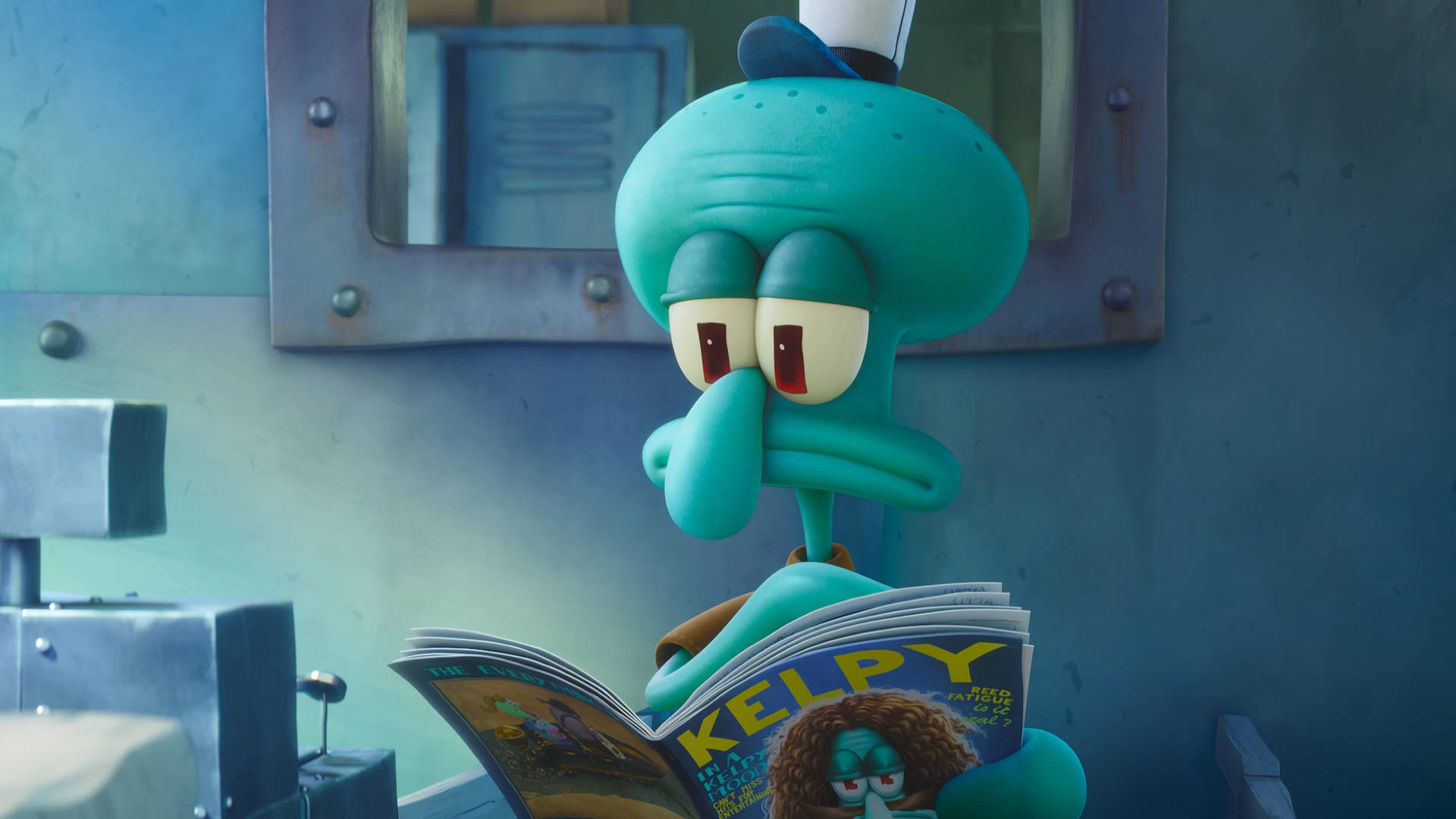
For years, Squidward Tentacles has endured a life that many would consider mundane and repetitive. Living in his Easter Island head-shaped house next to SpongeBob SquarePants and Patrick Star, Squidward has often found himself at the center of chaos, noise, and unwanted social interactions. Working tirelessly at the Krusty Krab under the frugal eye of Mr. Krabs, Squidward’s job as a cashier has become a symbol of his dissatisfaction. Day in and day out, he stands behind the register, dealing with orders, shouting customers, and the relentless energy of SpongeBob, who somehow always manages to maintain a chipper disposition no matter the circumstances. The contrast between his quiet, cultured desires and the chaotic environment around him has long fed his frustrations, leading him to dream about leaving Bikini Bottom for good.
The Final Straw in a Sea of Annoyance
As time passed, Squidward discontent transformed from grumbling complaints to desperate yearnings. Despite his artistic talents in music, painting, and interior decorating, his efforts are usually met with mockery or indifference by the townspeople. The tipping point came during a particularly disastrous day at work when SpongeBob accidentally set the fryer on fire while trying to invent a new Krabby Patty recipe. Covered in grease and humiliation, Squidward stared blankly at the smoldering kitchen and made a decision—he would not stay in Bikini Bottom another day. That night, he packed his clarinet, his most prized possessions, and left a note behind stating, “I’ve had enough. I’m leaving this town of lunatics. Do not follow me.” With the full moon overhead and the ocean currents calm, Squidward boarded a passing jellyfish migration trail, hoping it would lead him to a better, quieter life somewhere far from SpongeBob’s laughter.
A Journey Through Solitude and Self-Discovery
Squidward’s escape from Bikini Bottom marked the beginning of a solitary journey across the ocean. The farther he drifted from the familiar sights of Jellyfish Fields and Goo Lagoon, the more liberated he felt. The sounds of SpongeBob’s giggles faded with each mile, replaced by the gentle hum of the sea. In the silence, Squidward began reconnecting with himself, playing his clarinet not for judgment or applause, but for peace. He found refuge in a coral reef far beyond the reach of civilization, where colorful anemones swayed like dancers to his music. Here, he could paint in silence, read philosophical jellyfish poetry, and meditate without interruption. But as the days passed and his solitude grew deeper, so did the pangs of an unexpected emotion—loneliness. For all the aggravation Bikini Bottom brought him, it also gave him a sense of place. The absurdities, the chaos, and even SpongeBob’s ceaseless optimism were part of a world that, though annoying, was undeniably his.
The underwater wilderness provided Squidward with the tranquility he thought he craved, yet it also revealed the parts of himself he had long denied. He realized that his identity had been shaped not only by his love of the arts but by the people he tried to escape. The loud laughter from the pineapple next door, the pointless antics of Patrick, and the money-grubbing schemes of Mr. Krabs were more than just irritants—they were the unpredictable brushstrokes that painted the canvas of his life. One night, as he played a melancholy tune under the stars, Squidward came to a realization: peace is not the absence of noise, but the harmony one finds within it. With a heavy heart and a clarinet case in hand, he made the decision to return to Bikini Bottom. When he arrived, there was no grand welcome, only the same chaotic mess he had left behind. But this time, Squidward smiled—not because things had changed, but because he had. He went back behind the Krusty Krab counter, rolled his eyes at SpongeBob’s morning greeting, and played his clarinet that night with a little more soul. In escaping Bikini Bottom, Squidward discovered that the very place he resented held the rhythm of his imperfect, meaningful life.